
I did not want the game’s first minute to speak.
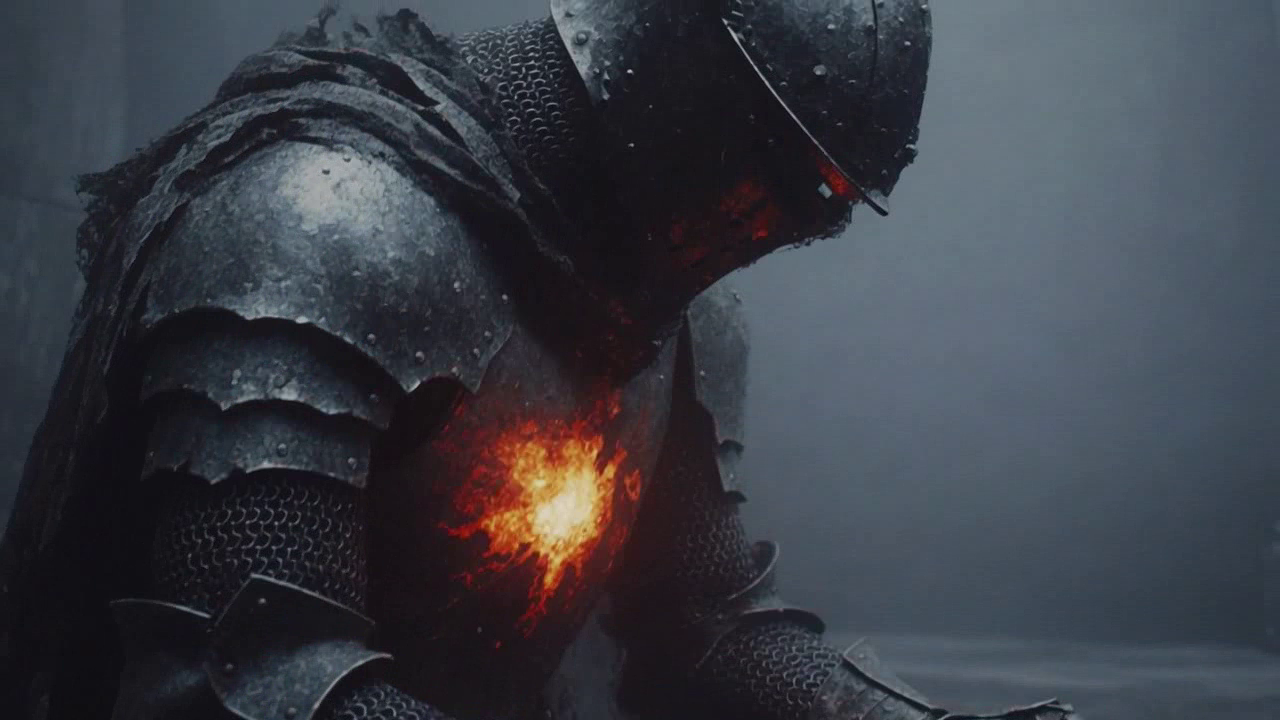
Watchman begins with a 59-second cinematic containing no dialogue: a black screen, one very distant bell and its long decay; a few embers fading in a brazier; a slow push towards a knight whose chest carries a small flame; and, finally, the knight opening his eyes. One line appears in the centre of the screen—“As long as one watcher remains, dawn will never truly go out.” The text fades, the screen holds black for two seconds, and the game begins.
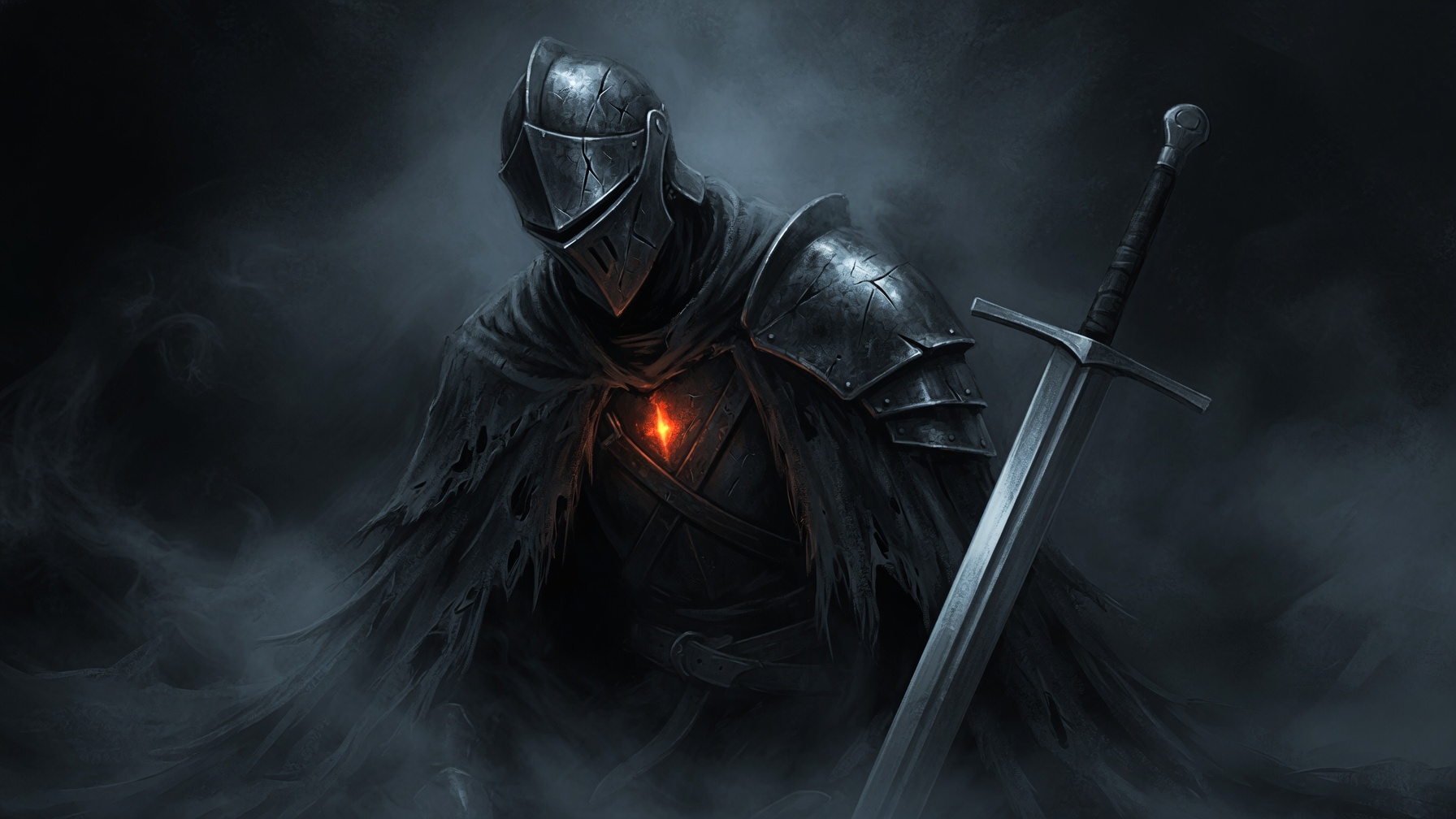
Why the opening does not speak
A solo-developed game can easily bury its beginning under exposition and unfamiliar terms. I chose environmental storytelling instead. Image, sound, and a single line establish the long night, the act of keeping watch, and an ember that has not yet died. Players may interpret the details differently, but the first minute has to establish the tone: pressure, solitude, and a small warmth close to extinction.
Production: Grok images and video, followed by an edit
This cinematic was made manually by me, before the later video pipeline became systematic. The work had five stages:
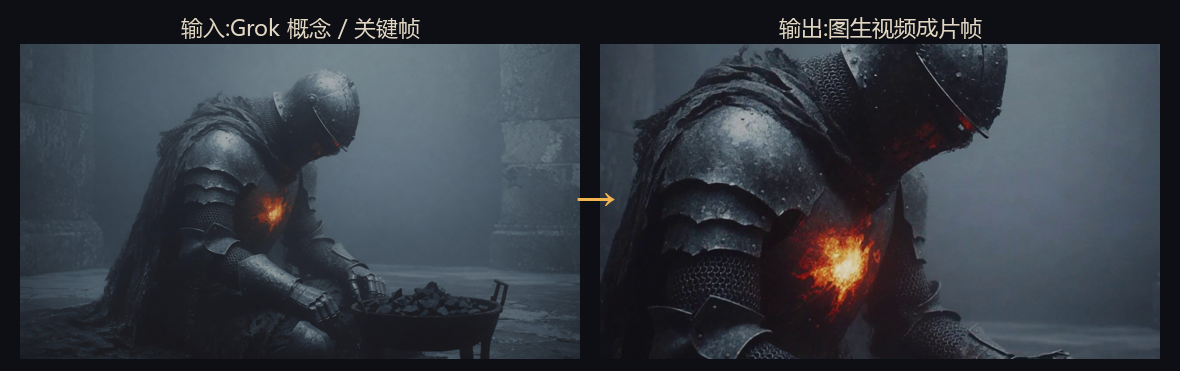
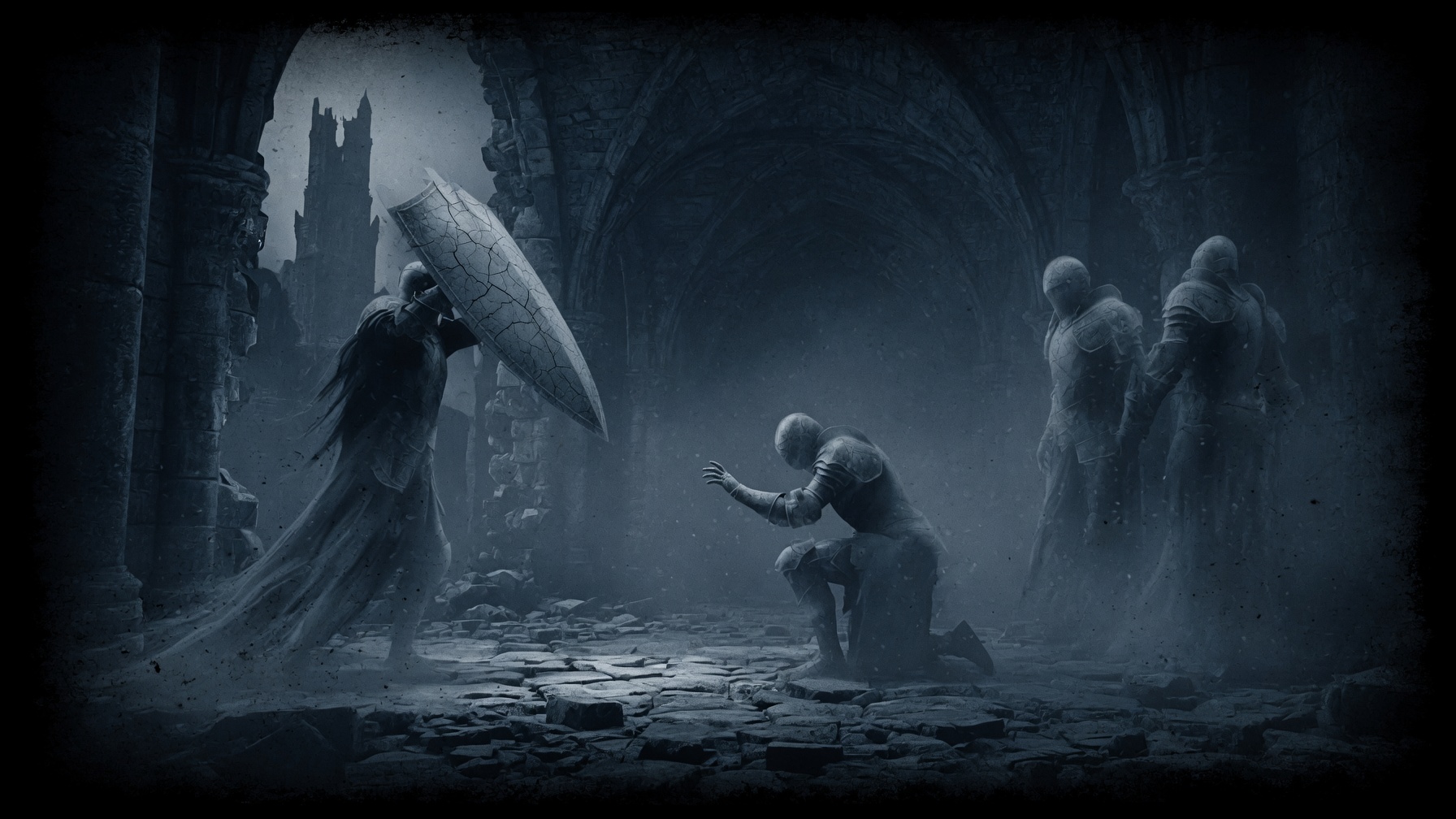
- Concepts and keyframes in Grok. I generated a group of images to establish the fire-marked knight, the brazier, and a ruined hall in fog. They defined the visual target and became keyframes for the next stage.
- Segmented image-to-video generation in Grok. The keyframes produced five sections of roughly ten seconds each: darkness and embers, awakening, environmental shots, and related transitions.
- Assembly in Jianying. The five sections were joined with title cards, text, and a cover, then exported in versions with a title, without a title, and for publication.
- Conversion to
.ogv. The finished film was encoded as Theora/Vorbis OGV, a format supported natively by Godot’s video player. - Engine integration. A fullscreen video player runs automatically when a new game starts.
J,ESC, orEntercan skip it, and control passes to the game when playback ends.
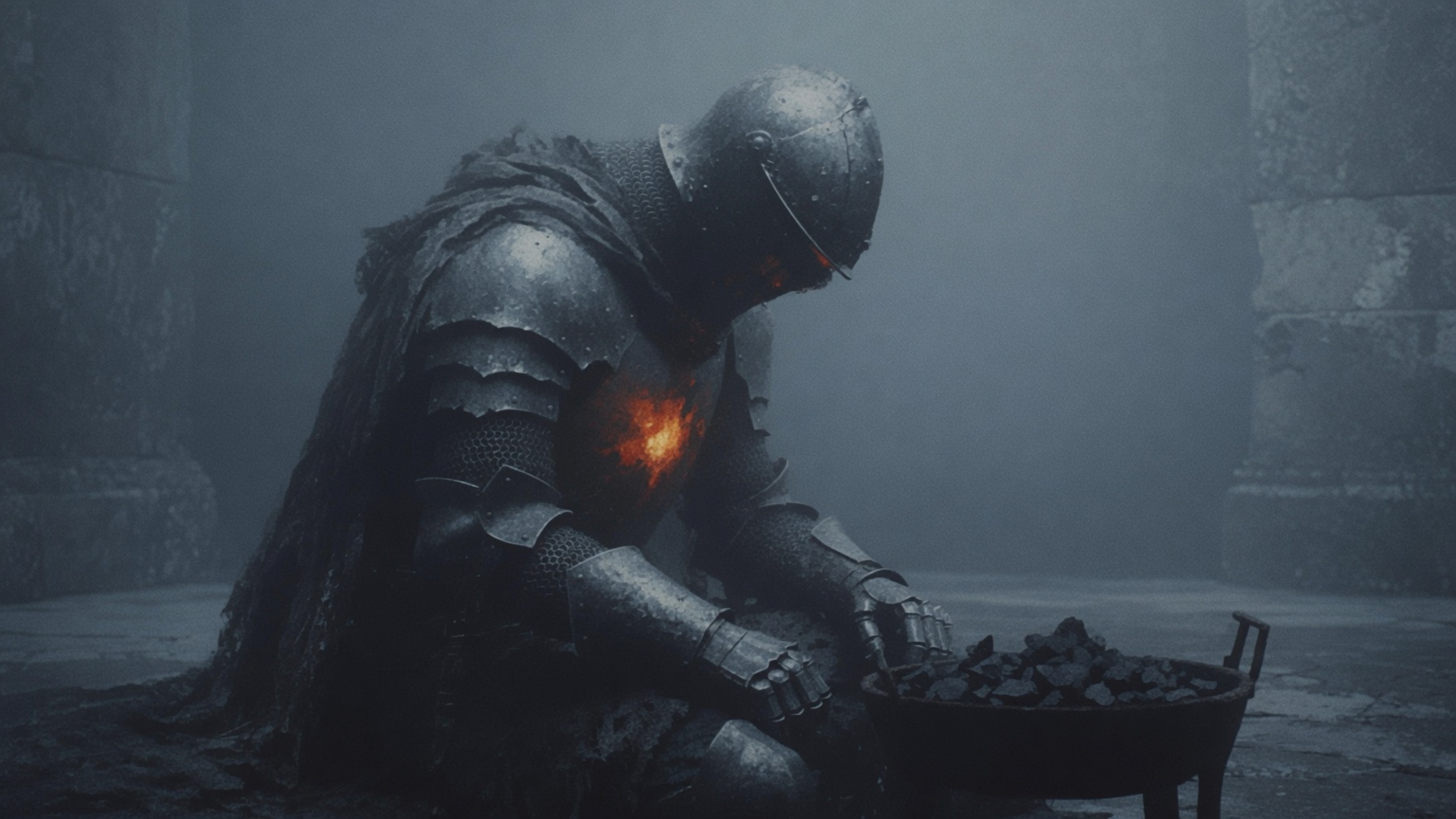
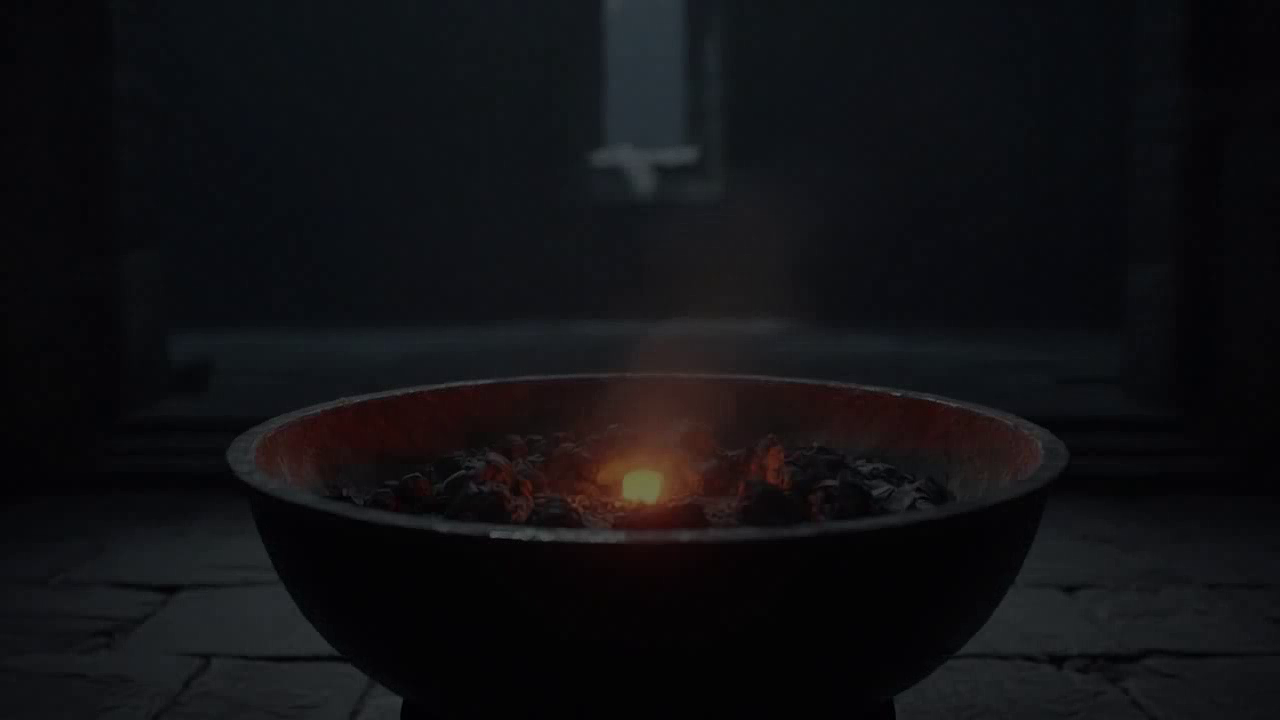
The central failure mode: grain that begins to boil
One of the easiest ways for AI video to fail begins in the still image. Generated artwork often contains visible grain or texture. During image-to-video generation, that detail can change randomly from frame to frame, creating grain boiling—a surface that looks electrically unstable. It is especially distracting in quiet shots.
The opening consists almost entirely of slow images: embers, fog, and restrained camera pushes. In my tests, Grok’s smoother, painterly surfaces remained much more stable in motion, making them suitable for a title sequence or persistent large display. Heavily textured art may be attractive as a still but is safer in a quickly cut MV. Image selection therefore has to account for future motion; visual quality as a still is not enough.
Moving from an HD cinematic into a pixel-art game
There is a second discontinuity to manage. A high-definition cinematic cuts directly into a pixel-art game, and a hard transition can make the two feel unrelated. I used a crossfade to carry the change rather than cutting immediately. I also tested pixelating the cinematic or reducing its frame rate, but set that approach aside because it damaged the film without producing a convincing match. The final treatment remains open to revision.
Manual work before a pipeline
This opening was made by repeated manual trials in the Grok interface, and its prompts were not preserved as a formal production package. That manual work was still useful. It established which kinds of images survive animation, which textures boil, and how little camera movement a quiet shot needs. Those observations later became part of a repeatable image-to-video method using more controllable models.
Complete the work by hand before automating it. Otherwise, automation may only make an incorrect process repeat more efficiently.
Conclusion
A silent opening depends on choosing images that remain stable in motion, using sound to hold the tone, and allowing one line to clarify the theme. AI reduced the labour of producing imagery, but the decisive questions remained human: what the image should be, whether it can move, and when to stop revising it.
For the game’s first minute, I chose a fire that is nearly extinguished, but not yet gone.